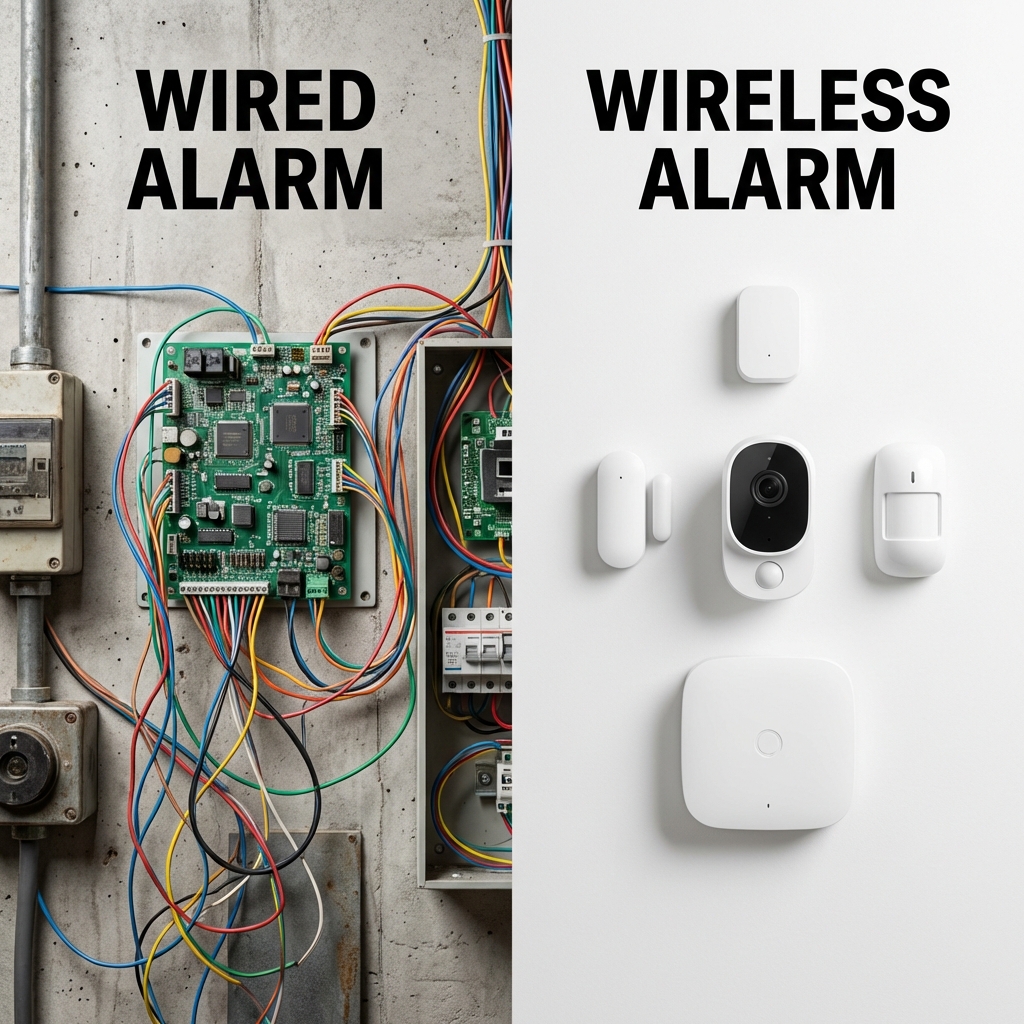
The Pain: You are finally ready to install a security system, or perhaps upgrade an old dinosaur of a keypad that’s been beeping incessantly. But you’re immediately hit with the biggest question in the industry: "Should I go wired or wireless?"
The Agitation: It is a valid concern. Make the wrong choice, and you could end up with unsightly trunking running along your beautiful cornices, or conversely, a wireless system that drops signal every time your neighbour turns on their microwave. In the security game, reliability is everything—if your alarm doesn't trigger when it matters, the investment was wasted.
The Promise: In this article, we draw on our years of experience installing systems across the Western Cape to give you an unbiased comparison. We break down the differences between leading brands like Paradox and Ajax to help you decide.
The Short Answer: If you are building a new home or renovating, wired is usually best for long-term low maintenance. If you are retrofitting an existing home with finished walls, wireless (specifically modern systems like Ajax) is the superior choice to avoid mess and damage.
1. The Case for Wired Alarms (The "Old Faithful")
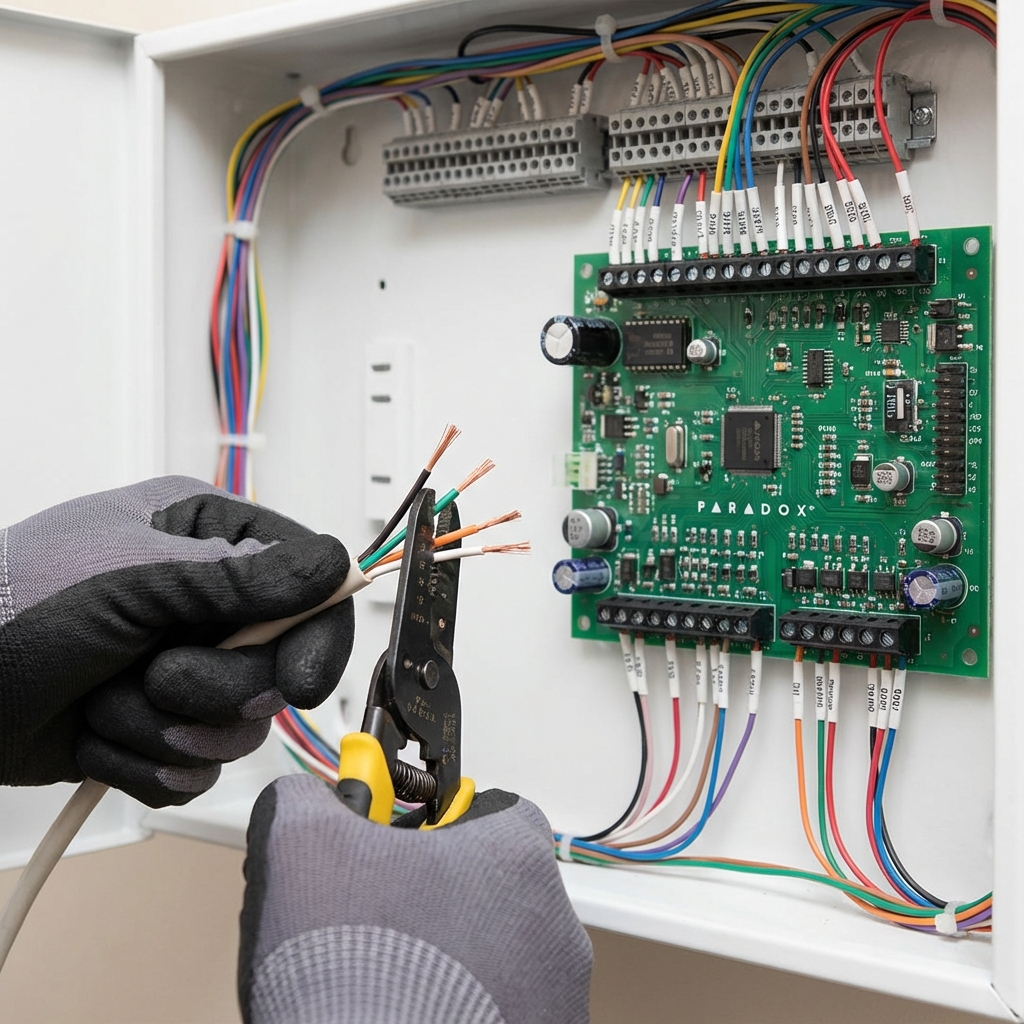
For decades, wired systems have been the gold standard. Brands like Paradox have built their reputation on hard-wired reliability. In a wired setup, every motion sensor, door contact, and siren is physically connected to the main control panel via cabling.
Why we love them:
- Zero Interference: A physical wire doesn't care about radio frequency interference (RFI) or thick concrete walls—a common feature in older homes in Durbanville.
- Low Maintenance: You don't need to change batteries in the sensors. The only battery you worry about is the backup battery in the main panel.
- Cost: The hardware itself (sensors and keypads) is generally cheaper than wireless equivalents.
The Downside: The installation is labour-intensive. Running cables through ceilings, chasing walls, or installing conduit (PVC piping) can be messy. If you have a double-storey home with a concrete slab, getting wires to the ground floor is a massive challenge.
Pro Tip: If you are in the "plans phase" of building a house, always tube for a wired alarm. It increases the resale value of the property and allows for a cleaner installation later.

Technician connecting wired Paradox alarm system panel in Cape Town.
2. The Wireless Revolution (Enter Ajax)
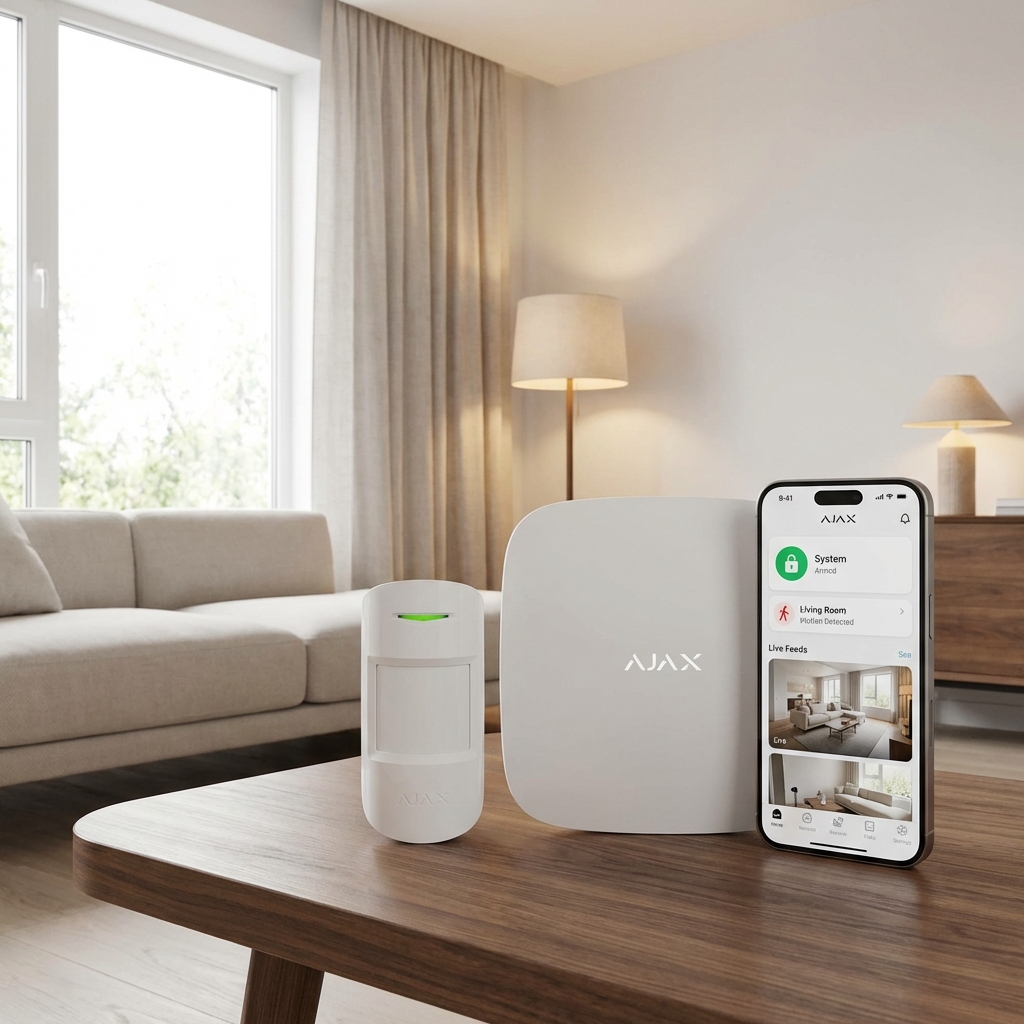
Ten years ago, we would have hesitated to recommend wireless systems for high-risk areas. They were prone to "jamming" and false alarms. However, technology has changed dramatically. Modern systems, particularly the Ajax range, have revolutionized the market.
Why we love them:
- Aesthetics: There is no trunking, no drilling into your skirting boards, and no dust. It is the cleanest installation possible.
- Speed: We can install a full home system in Table View in a matter of hours, not days.
- Smart Features: Modern wireless systems are "smart" by default. They integrate seamlessly with your phone, allowing you to arm/disarm and view system health from an app.
The Downside:
- Batteries: You will need to replace batteries in the sensors every 3–5 years.
- Signal Issues (Rare): While modern encrypted signals are hard to jam, massive properties with thick reinforced concrete may require range extenders (repeaters).

Ajax wireless alarm system with smartphone app control for smart home security.
3. The "Cape Town Factor": Environmental Considerations
When choosing your system, you must consider our local environment.
- Coastal Corrosion: If you live in areas like Camps Bay or Melkbosstrand, sea air eats electronics. Wired connections can corrode if not properly sealed. However, wireless sensors are often better sealed units, though the battery contacts still need checking.
- Load Shedding: Both systems rely on a main backup battery. However, in a wired system, the panel powers everything. If the main battery dies, the whole system dies. In a wireless system, the sensors have their own power. If the hub's power fails, the sensors are still alive, and once the hub power is restored (or backed up by a UPS), the system re-syncs immediately.
4. Comparing the Costs
Many clients ask us which is cheaper.
- Wired: Cheaper hardware, but much higher labour costs due to the time required to run cables.
- Wireless: More expensive hardware, but significantly lower labour costs.
In our experience, the final invoice often balances out to be quite similar. The decision should rarely be about price alone, but rather about the application.
Do you need to secure a standalone garage or a granny flat on your property? A wireless system is perfect for this, bridging the gap without digging trenches for cables. Check out our Alarm System Installation page for more details on the specific hardware we use.
5. The Hybrid Approach
You don't always have to choose just one. Many Paradox systems allow for "Hybrid" installations. We can use existing wiring for the sensors that are easy to reach, and add a wireless receiver to reach that new extension or the difficult-to-wire master bedroom. This is often the best route for renovations in older suburbs like Kenilworth.
Conclusion & Pitch
The Verdict:
- Choose Wired (Paradox) if you are building from scratch, renovating heavily, or want a "fit and forget" system with no sensor batteries.
- Choose Wireless (Ajax) if you have a finished home, rent your property, or want the latest in smart-home app technology.
At Global Security Solutions, we are certified installers for both. We don't push one brand because it's "easier"—we install what is right for your home architecture and lifestyle. We have installed hundreds of these systems across the Western Cape, ensuring families sleep soundly regardless of the technology they choose.
Read more about our full range of services at globalsecuritysolutions.co.za.
Ready to upgrade your security?
Click here to message us on WhatsApp for a quote or contact us online.