Nothing is more frustrating than an alarm that cries wolf in the middle of the night, or worse, a system that stays silent when an intruder is on your property. The culprit is almost always a misunderstanding of how motion sensors work. If your sensors are outdated or incorrectly positioned, criminals can easily bypass them, leaving your family and assets vulnerable.
In this article, we explain exactly how this critical security technology works and how to ensure your system is set up flawlessly.
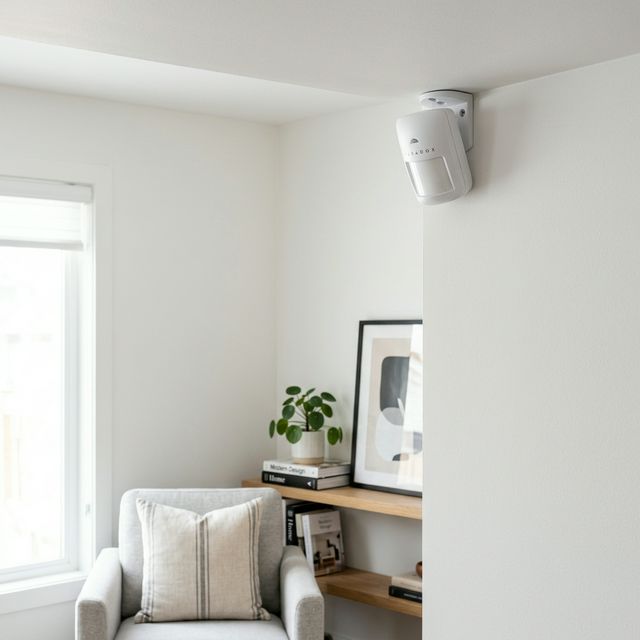
At a basic level, most modern motion sensors use Passive Infrared (PIR) technology. They don't emit beams like in the spy movies; instead, they passively "look" for sudden changes in infrared energy-specifically, the body heat of a human moving across their field of vision. When a warm body breaks the sensor's grid, the alarm triggers.
The Science Behind the Sensor: PIR Technology
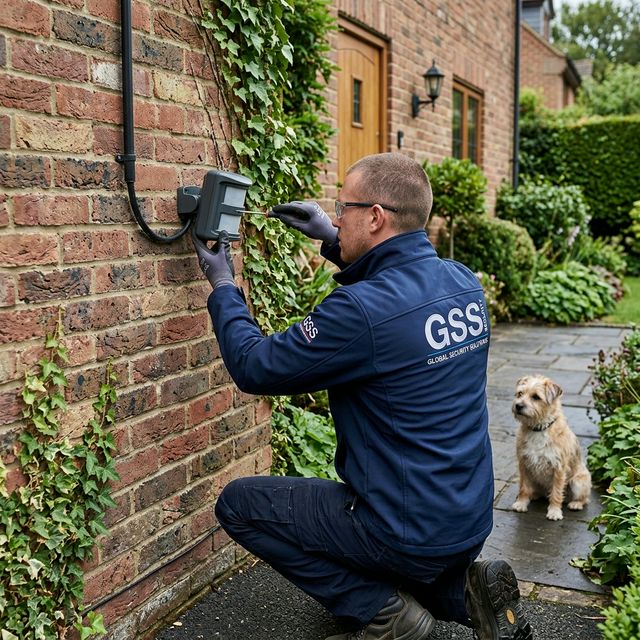
As technicians who install these daily, we often find that homeowners misunderstand what triggers an alarm. Passive Infrared (PIR) sensors are the backbone of any reliable alarm system installation. Inside the plastic casing of your sensor is a pyroelectric chip that detects heat.
The sensor is divided into multiple invisible grids or "zones." When the ambient temperature of a room suddenly spikes because a 37°C human walks across those zones, the sensor detects the differential and trips the relay.